Discovering Bespoke B2B Data Research for Emerging Markets
Listen to audio summary of this article
In the rapidly evolving landscape of 2026, the demand for bespoke B2B research in emerging markets has shifted from a "competitive advantage" to a "survival requirement."
As generic data becomes a commodity—saturated by automated AI tools that often lack context, specialised human-led research provides the "truth layer" that businesses need to make high-stakes investments.
Based on current trends, the demand for bespoke B2B research is high across numerous industries, especially where decision-making is complex, involves multiple stakeholders, and requires deep, contextual understanding.
Secondary research support services can be critical to the success of these projects.
Emerging Markets: The Flurry of New B2B Specialisations
The B2B space is currently seeing a "splintering" of expertise. We are no longer just looking at "Tech" or "Finance," but at highly granular sub-sectors that require specific domain knowledge to navigate:
Example: Operational Technology (OT) Security: A niche within cybersecurity focused specifically on protecting physical infrastructure (power plants, water systems) from digital attacks.
A Few More Example Industries:
AI Hardware:
Challenge: A specialised AI-hardware provider needing to find companies building their own LLMs.
Niche Data Needed: Chief Data Officers at Tier-1 global banks who have established a "Generative AI Taskforce" and are currently recruiting for Machine Learning Engineers specialising in NLP.
Internet Of Things:
Challenge: A cold-chain monitoring company needing to target specific logistics pain points.
Niche Data Needed: Operations and Logistics Managers at global pharmaceutical distributors who have recently expanded their "biologics" portfolio, requiring strict temperature-controlled transport across cross-border trade routes.
Cybersecurity (Operational Technology focus)
Challenge: A firm selling OT security needing to find vulnerable infrastructure.
Niche Data Needed: Heads of OT Security at power grid operators and utility providers that are currently integrating legacy SCADA systems with IoT-connected smart meters, creating a specific type of "air-gap" vulnerability.
Why is there need for Bespoke Research in Emerging Markets
Emerging markets like AI, IoT, and Green Tech are characterised by data opacity. Unlike mature sectors where public filings and historical data are plentiful, emerging industries often operate in "stealth mode" or within regulatory grey areas.
Context over Volume: Custom research moves beyond "who" is in the market to "why" they are buying. In 2026, a generic list of AI companies is useless; what’s valuable is a curated list of firms that have just secured Series B funding specifically for sovereign LLM development in the MENA region.
Risk Mitigation: Bespoke sourcing allows for "boots-on-the-ground" digital verification. It identifies real operational triggers—like a factory in Southeast Asia upgrading its power grid, which automated scrapers might miss or misinterpret as routine maintenance.
Here is an overview of the landscape, the high-demand industries, and specific areas where customised research can contribute and excel:
The shift in B2B market research favors highly customised, in-depth projects that move beyond general reports. Companies require insights tailored to their specific products, target markets, and competitive landscape.
Customisation is Key: B2B markets are characterised by smaller, more niche audiences, longer sales cycles, and more complex, high-value products/services. This means standardised research often falls short, leading to high demand for bespoke projects.
The "Size vs. Value" Split: The market is increasingly dividing between large, automated, tech-driven agencies that handle commodity data, and smaller, highly specialised firms that focus on delivering strategic, human-led insights and consultancy. This is where secondary b2b data support is most valuable.
Technology Integration: The use of AI, machine learning, and advanced analytics in B2B research is growing, but human analysts are still required to integrate diverse data and provide contextual, verified, and actionable insights—which is where data partnerships come into play.
Industries with High Demand for Bespoke B2B Research
The most fertile ground for bespoke B2B research projects is in sectors undergoing rapid transformation or dealing with highly complex sales.
Industry- Technology (SaaS, Cloud, AI, IoT, Cybersecurity, Fintech)
Secondary Research Contribution- Market Sizing & Segmentation: Sourcing data on market potential, adoption rates, and competitor profiles (e.g., funding rounds, product launches).
Industry- Healthcare & Pharma (MedTech, Biotech, Health Consulting)
Secondary Research Contribution- Regulatory Monitoring: Tracking new policies and clinical trial results. Stakeholder Mapping: Identifying key opinion leaders and tracking healthcare trends.
Industry- Industrial & Manufacturing (Automotive, Aerospace, Energy, Utilities)
Secondary Research Contribution- Competitor Intelligence: Analysing production capacity, M&A activity, and new technology patents. Industry Benchmarking: Sourcing performance data and trend reports (e.g., energy efficiency).
Industry- Financial & Professional Services (Consulting, Insurance, Banking), Risk Management: Researching emerging financial threats.
Secondary Research Contribution- Gathering macroeconomic and sector-specific reports. Content Support: Providing data to back up white papers and industry outlook reports.
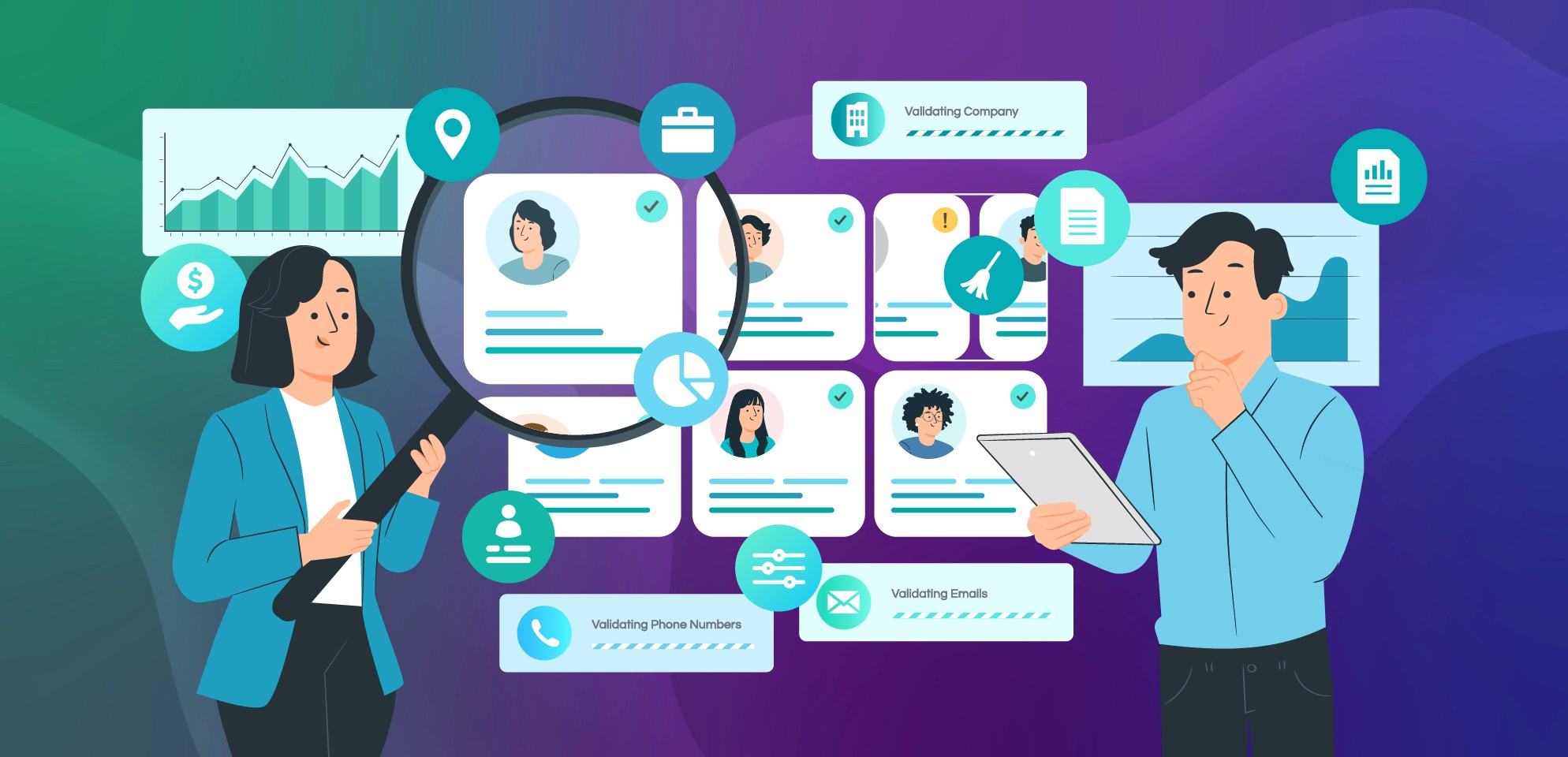
To succeed in emerging markets, businesses need Deep Data. This isn't just a long list of company names; it is verified, "human-checked" intelligence that explains the why and how of a market.
It’s the difference between knowing a company exists and knowing that they just hired three engineers specifically to build a new type of power grid in Southeast Asia.
As we move further into 2026, the divide between "Large/Automated" and "Small/Specialised" will only widen. While AI can summarise a 100-page report in seconds, it cannot understand the nuance of a local tender announcement or the strategic implication of a specific project lead's job change.
In the world of emerging B2B markets, the most valuable tool isn't a better algorithm—it’s a team of researchers who know how to translate that "Deep Data" into growth.