Save your Email Marketing Campaign from Spam through Bespoke List Research
Published on: 31 Aug 2021
Last updated: 9 Jan 2026
Listen to audio summary of this article
Email marketing remains one of the most cost-effective ways to reach and nurture a global audience, but spam filters and poor list practices can quietly destroy deliverability, engagement, and ROI. To protect performance, campaigns must be designed with deliverability and list quality at the core, not as an afterthought.
Why spam destroys email ROI
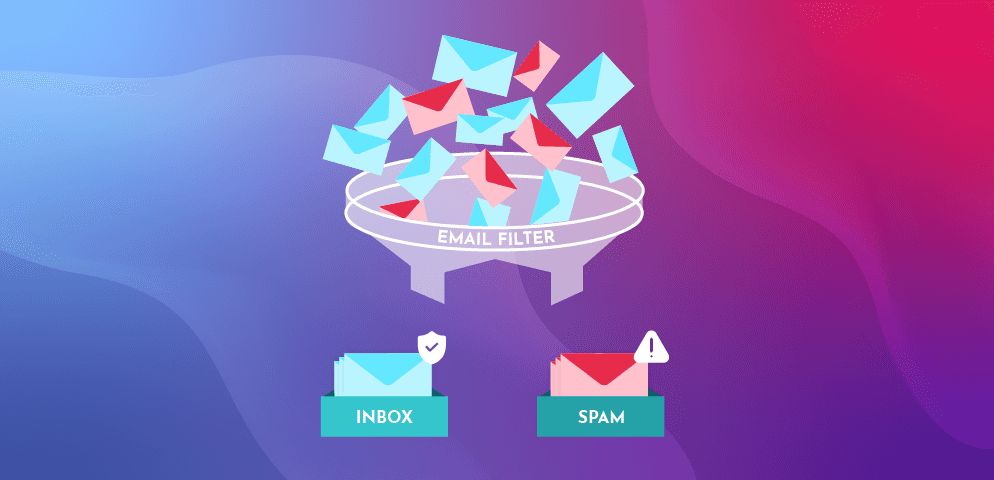
Spam filters are designed to protect users from unwanted or harmful messages. They evaluate each email using a combination of content analysis, technical checks, sender reputation, and user behaviour signals. When enough negative signals accumulate, your emails:
Land in spam instead of the inbox, or get rejected outright.
Lose opens and clicks, pushing performance and ROI sharply down.
Crucially, spam issues do not just affect one campaign. Poor behaviour and bad data damage your sender reputation, making it harder for future emails to reach the inbox even when you improve your content later.
Key deliverability signals you must manage
Modern email providers (like Gmail, Outlook, and Yahoo) look at a blend of technical and behavioural indicators, such as:
How many emails bounce, or hit invalid addresses.
How often users open, reply, click, delete without reading, or mark as spam.
Whether your sending patterns, content, and authentication look trustworthy.
These signals are tightly linked to the quality of your email list, the way you acquire and manage contacts, and the expectations you set with subscribers.
1. Weak or missing permission (opt-in)
Sending to people who never clearly agreed to hear from you is one of the fastest ways to be flagged as spam.
Without explicit permission, emails are unsolicited and far more likely to be ignored, deleted, or reported as spam.
Opt-in (single or double) ensures that recipients recognise you, expect your messages, and are more likely to open and engage with them.
Best practices:
Use clear, honest sign‑up forms that describe what subscribers will receive and how often.
For higher-risk segments or regions with stricter laws, use double opt‑in (confirmation email) to validate addresses and intent.
2. Poor list segmentation and irrelevant content
Even a fully permission-based list can underperform if all subscribers get the same generic message.
When content does not match a recipient’s role, industry, location, or stage in the journey, opens, clicks, and replies decline.
Low engagement sends negative signals to inbox providers, who may then route more of your emails to spam or “promotions” tabs.
Improve relevance by segmenting based on:
Firmographics: industry, company size, geography.
Role and seniority: decision-makers vs users vs influencers.
Behaviour: pages visited, resources downloaded, past campaign engagement.
3. Stale or decaying data
Data decay is constant in B2B: people change jobs, companies close or rebrand, and responsibilities shift.
Outdated email addresses increase hard bounces, which directly harm sender reputation and deliverability.
Even if the address exists, the contact may no longer be the right person, wasting impressions and depressing engagement metrics.
Mitigate this by:
Regularly cleaning lists to remove hard bounces, persistent soft bounces, and long‑term inactive addresses.
Periodically validating addresses and updating job titles, company names, and domains where possible.
4. Lack of customisation and niche targeting
Relying only on broad, generic lists limits effectiveness—especially in specialised or niche markets.
If your data does not reflect niche audiences (specific verticals, technologies, regulatory environments), your messaging stays too generic.
Prospects who do not see their context or pain points reflected in your emails are less likely to engage, dragging down overall performance.
Strengthen targeting by:
Capturing or enriching data fields that matter (industry sub‑verticals, tech stack, region, use case).
Tailoring content, examples, and offers to the realities of each segment.
5. Infrequent list cleaning and validation
Leaving your list untouched for months or years is an invitation to spam problems.
Old or unengaged contacts are more likely to be converted into spam traps or to trigger negative user signals.
Repeatedly sending to addresses that never open, click, or respond tells inbox providers your emails are unwanted.
Good hygiene includes:
Removing hard bounces immediately and monitoring soft bounces closely.
Identifying and suppressing consistently inactive subscribers, or running targeted re‑engagement campaigns before removal.
6. Buying low‑quality lists from the wrong sources
Not all third‑party data is created equal. Poorly sourced lists are one of the biggest spam risks.
Many low‑cost lists include invalid, inactive, or scraped email addresses, some of which may be spam traps.
Addresses might have been collected without consent, violating privacy regulations and leading to higher complaint rates.
If you use external data at all:
Work only with reputable providers who can explain how data is sourced, validated, and kept compliant.
Avoid “one‑size‑fits‑all” mass lists; focus on sources that can match (or be enriched to match) your target profiles and consent requirements.
7. Misleading or spammy content and subject lines
Even with a good list, deceptive or low‑quality content can trigger spam filters or user complaints.
Overpromising subject lines, excessive capitalisation, or clickbait undermine trust and raise red flags.
Misaligned “from” names or pretending to be personal when it is clearly a bulk send increases the likelihood of spam reports.
Safer practices:
Keep subject lines honest, specific, and benefit‑oriented, without exaggeration.
Use a recognisable sender name (brand or individual) and stay consistent across campaigns.
8. Weak email design and lack of mobile optimisation
A large share of recipients first view your emails on mobile devices. Poor design reduces engagement and increases quick deletions.
Dense blocks of text, tiny fonts, or buttons too small to tap create friction on small screens.
Overreliance on images (especially with text baked into images) leads to blank or confusing messages when images are disabled.
Design for clarity:
Use responsive templates, ample white space, and clear visual hierarchy.
Ensure the core message is visible and understandable even without images.
9. Missing or hard‑to‑find unsubscribe options
Hiding or omitting unsubscribe links is both a legal and deliverability risk.
When recipients cannot easily opt out, they are more likely to mark messages as spam.
Spam reports weigh more heavily against your sender reputation than straightforward unsubscribes.
Always:
Include a visible, one‑click unsubscribe link in every marketing email.
Honour unsubscribe requests quickly and consistently.
10. Inconsistent sending frequency and poor expectations
Sending too often, too rarely, or unpredictably can hurt engagement.
Over‑mailing leads to fatigue, annoyance, and higher unsubscribe or spam complaint rates.
Under‑mailing makes subscribers forget who you are, so when an email finally arrives, it feels unexpected or intrusive.
Align frequency with expectations:
Communicate how often subscribers will hear from you (e.g., weekly digest, monthly newsletter, occasional offers).
Adjust cadence for different segments based on engagement and lifecycle stage.
11. Spam traps and how they affect you
Spam traps are special email addresses used by ISPs and anti‑spam organisations to detect bad sending practices.
Common types include:
Recycled traps: once‑valid addresses that have been inactive for a long time and then repurposed as traps. Continuing to email them indicates poor list hygiene.
Pristine traps: addresses never used by real people, often found only through scraping or purchased lists. Mailing them suggests address harvesting or use of questionable data sources.
Hitting spam traps signals to inbox providers that your acquisition and cleaning practices are weak, which can quickly lead to blocking or heavy spam filtering.
12. Technical and authentication issues
Even good content can be blocked if your technical setup looks suspicious.
Missing or misconfigured authentication records (SPF, DKIM, DMARC) make it harder for providers to verify you as a legitimate sender.
Using shared IPs or domains with poor reputations, or sudden spikes in send volume, can trigger additional scrutiny.
Work with your technical or email service provider to:
Ensure proper authentication is set up and monitored.
Warm up new sending domains gradually and keep sending patterns consistent.
13. Not tracking and acting on engagement data
Deliverability is not a one‑time checklist; it is an ongoing feedback loop.
Failing to monitor open, click, bounce, complaint, and unsubscribe rates hides underlying problems.
Ignoring trends by segment (for example, specific industries or geographies performing poorly) prevents targeted fixes.
Improve by:
Regularly reviewing performance by list segment and campaign type.
Testing subject lines, content formats, and send times, then iterating based on results.
Bringing it all together
Saving your email marketing campaigns from the effects of spam is not about a single trick or tool. It requires:
Clean, permission‑based, up‑to‑date lists with proper segmentation.
Honest, relevant content and professional presentation, especially on mobile.
Respect for privacy regulations, clear unsubscribe paths, and ongoing list hygiene.
Robust technical setup and careful monitoring of engagement and reputation signals.
When these elements work together, your brand maintains a strong sender reputation, your emails reach the inbox more reliably, and the true potential of email marketing—as a high‑ROI, scalable acquisition and retention channel—can be realised.